Lights! Camera! Action…only that in real life, there is no spotlight, no camera…just a mother, her pestle, mortar, cooked cassava and plantain in a…
“Labor of Love”
From the Series: Fufu – More than Just a Meal
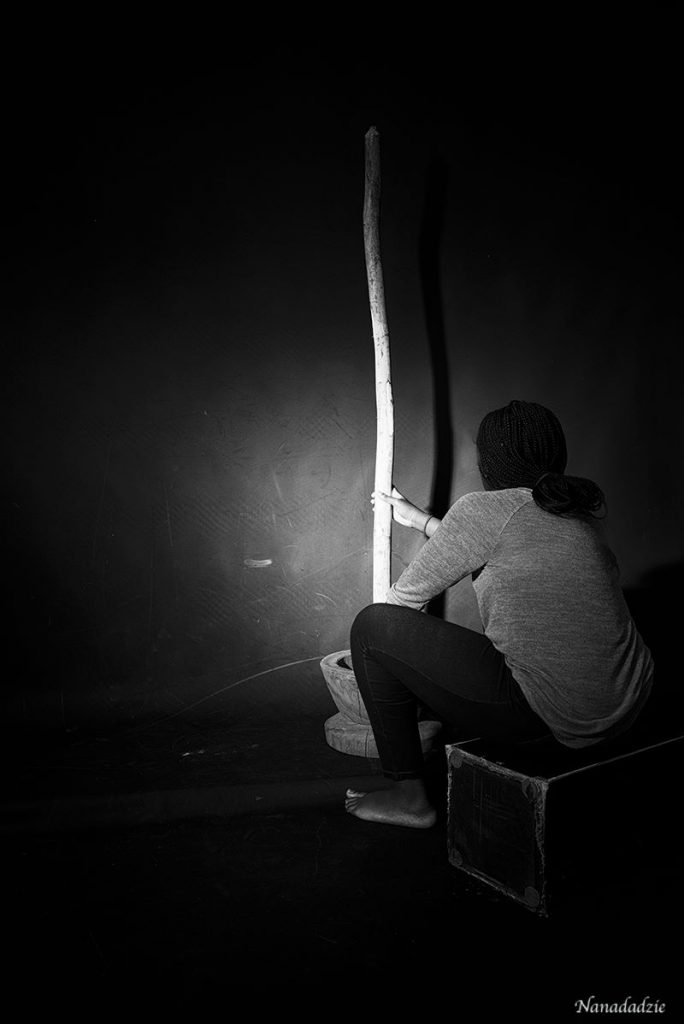
Lights! Camera! Action…only that in real life, there is no spotlight, no camera…just a mother, her pestle, mortar, cooked cassava and plantain in a…
“Labor of Love”
From the Series: Fufu – More than Just a Meal
“That is not a drug, it’s a leaf.”
– Arnold Schwarzenegger
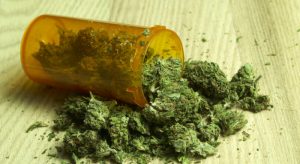
In the next few years, two of the many areas that could be interesting areas of medical research and therapy may be the the fields of cancer immunotherapy and the medical use of cannabinoids. Yes, cannabinoids – those extracts from cannabis aka marijuana aka weed!
No other plant is as controversial as Cannabis. In spite of an almost 5000 year-old history of use around the world, it has been a banned substance in most countries in the last 100 years or so.
It’s ill-repute stems from it’s psychoactive effects which can be significant.
Some of the chemicals inherent in the most common species of this plant, Cannabis sativa, have been isolated and they are called cannabinoids. There are about 85 of them. The two most researched are:
– Delta-9 Tetrahydrocannabinol (THC) and
– Cannabinol (CBD)
Whereas THC is responsible for most of the psychoactive effects (the high), CBD has none of the high effect. Both cannabinoids have some very significant therapeutic effects.
THC – analgesic, anti-spasmodic, anti-tremor, anti-inflammatory, appetite stimulant and anti-emetic
CBD – anti-inflammatory, anti-convulsant, anti-psychotic, anti-oxidant, neuroprotective and immunomodulatory effects
Even more interesting is that the human body has cannabinoid receptors. This has been an area of research for the last 20 years or so. Two types of cannabinoid receptors have been found so far – CB1 and CB2. CB1 receptors are present in the brain and spinal cord and in certain peripheral tissues. CB2 receptors are expressed primarily in immune tissues.
Now if the body has cannabinoid receptors, then humans must produce natural cannabinoids. At least 3 have been isolated so far – arachidonoyl-ethanolamide (anandamide), 2-arachidonoyl glycerol (2-AG) and arachidonyl glyceryl ether (noladin ether).
These endocannabinoids are involved in areas of the brain responsible for:
– movement and postural control, pain and sensory perception, memory, cognition, emotion,
control and reward centers in the brain (limbic system and hypothalamus)
– cytokine release from immune cells and immune cell migration
So when one uses marijuana, do the cannabinoids from the weed react with the natural receptors? That is the thought and that is how they exert their action.
The push is then for strains of Cannabis high in CBD to capture the medicinal sans psychoactive effects. This is achieved by altering the genome of the cannabis plant to get strains that contain mostly CBD. An example of a strain with high levels of CBD is Charlotte’s Web.
In the forefront for drugs made out of CBD is GW Pharma, a company out of the London, UK. They have a drug out named Epidiolex for Dravet Syndrom. This a condition marked by intractable seizures in kids. These kids can have over 20 seizure a month. It reduced the incidence of seizures in a study of 120 children by close to 40%. FDA approval is pending.
CBD-based drugs are also being studied for Multiple Sclerosis. It reduces the incidence and severity of muscle and bladder spasms as well as the intensity of neuropathic pain.
CBD has been shown to reduce the incidence of psychosis in Schizophrenics and may modulate symptoms of fear in patients with PTSD.
CBD has been shown to be very effective in the treatment of chronic pain with a much safer safety profile than opioids.
There are a few studies out showing the cytotoxic effects of CBD on breast cancer cells.
All these examples are but a few of the therapeutic possibilities being researched actively.
CBD however still remains a Schedule I substance and thus viewed as illicit when used without a prescription or in a state where the use of marijuana is not legal.
Maybe Bob Marley was right after all:
“Herb is the healing of a nation, alcohol is the destruction.”
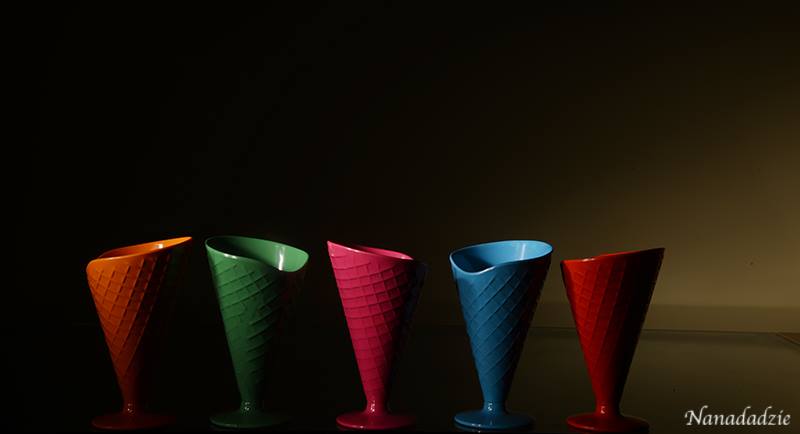
Just black is not enough….all white? nah…give me some blue, throw in a little orange, a dab of red, a splash of green…give me some…
“Colors”
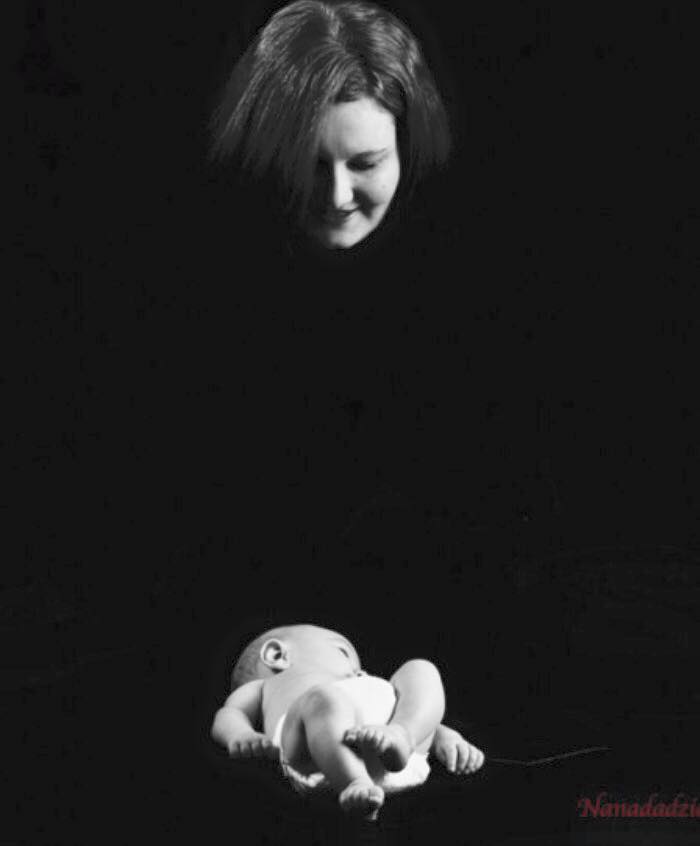
My dear, one day soon, you are going to fly away to where my breath can’t warm your face….or…..my hands can’t wipe the tears away…but I’ll always be near you…believe me, I will…how?…well, it’s this thing called….
“Motherhood”
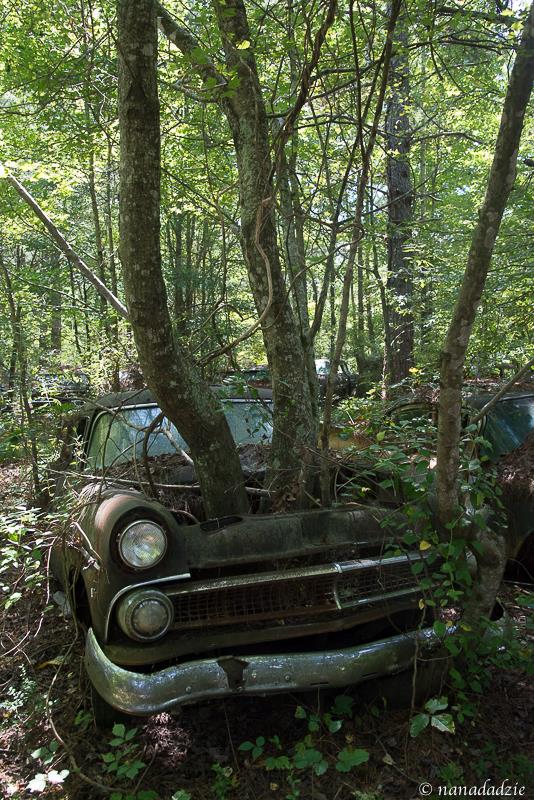
Death and life all at once. History in the present. Even as the new makes it’s way up, it has to reckon with what was. Most times, the old gives way. It buckles. Not this time. It’s hanging on, giving us glimpses of what the present always makes us leave behind. A strange…
“Symbiosis”
“To err is human, to forgive, divine.”
– Alexander Pope, from “An Essay on Criticism”
Probably, the most important lesson I learnt in all of residency can be summed up in these words:
“It’s not the mistake! It’s what you do afterwards that matters”.
These words have accompanied me all these years, I practice by them, taught that to my residents when I was in academics and pass it on any chance I get. It is not only true in medicine but also in the criminal justice system and even at home with our children and spouses. For this discussion though, we’ll stick to medicine.
To elucidate, we have to take a trip back to 1999.
“To Err is Human: Building a Safer Health System” was a report issued in 1999 by the U.S. Institute of Medicine that detailed medical errors in the US healthcare system and the human as well as financial toll it was exacting. The figures were sobering. Between 44,000 to 98,000 people die each year as a result of preventable medical errors. They have been estimated to result in total costs of between $17 billion and $29 billion per year in hospitals nationwide!
It was pointed out in the report that, system failures and less individual provider mistakes were responsible for most medical errors. The push since has been to reduce medical errors and improve patient safety and the results have been encouraging.
However, the fact remains that physicians are only human and like the saying goes, “To err is human…” and that is where my lesson comes into play.
Sooner or later, every physician is going to make a mistake. Show me a physician who hasn’t made a mistake before and I’ll show you a doctor who hasn’t practiced long enough or doesn’t practice at all.
So if we are prone to make mistakes, shouldn’t there be a readiness to face and deal with these errors when they happen? Beyond the checklists and time-outs, beyond the constant threat of loss of accreditation and fines, shouldn’t we as physician on an individual level be ready to deal with that mistake?
That mentality of “It’s not the mistake! It’s what you do afterwards that matters” takes away the fear that dogs one when a mistake is made. It makes one communicate clearly with the patient if possible and explain what happened and what will be done. It allows one to keep a level head and work alone or with a team to reverse or limit any damage. It also reduces the incidence of lawsuits.
This mentality demands something from the physician. It demands a certain honesty and strength of character. One should be able to say, “I screwed up. Now how do I fix it?” It demands empathy with the patient à la “If it was me…”
I know, it is much easier to sweep things under the rug of unintelligible medical speak or blame someone else but that only stokes the fire of trouble down the road and possible harm to the patient.
To help develop this mentality, a mantra that was drummed into me during residency helps. It was, “What is the worst thing that can happen now and what would you do about it?”
With that kind of mind set, one tends to be prepared for whatever but most importantly, one tries to prevent whatever form happening. One tends to see all those checklists on a personal level and that readiness on a personal level ultimately translates to one on the team level too.
Most physicians do as Hippocrates said and try do do no harm. However since the human is plagued by fallibility, maybe accepting that and factoring it into our daily practice may help. So even as you go about your day, remember, “It’s not the mistake; it’s what you do afterwards that matters.”
Just me and you against the world…nothing bothers us….we let all the noises just buzz by and concentrate on us….together as one….together as…
“Petals”

They come crashing down….disturbing the peace….causing ripples…those darn…
“Drops”
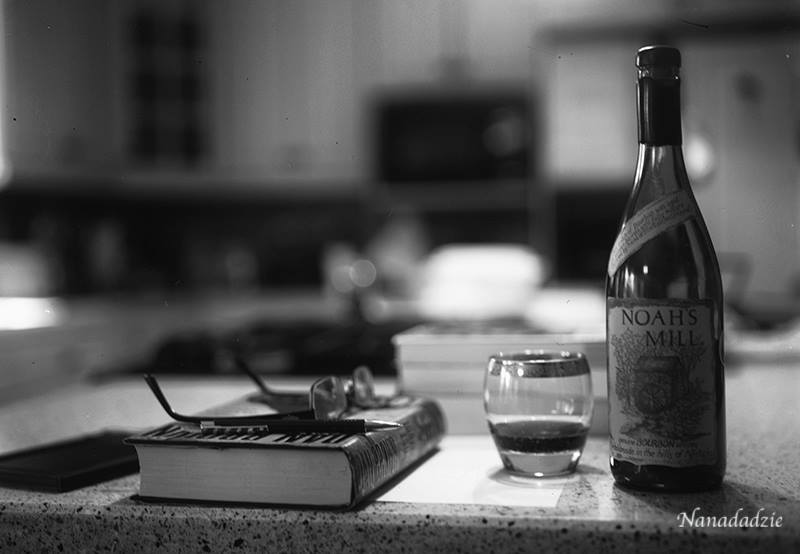
It races down your throat with a fiery intensity that lingers long after the last drop is gone reminding you to have another swig of that good ol’ Kentucky…
“Bourbon”
“Half of us are blind, few of us feel, and we are all deaf.”
– Sir William Osler
This incident occured in my third or fourth year of medical School in Leipzig (outside the US, most medical schools are 6-year programs). We were on a medical-surgical (med-surg) floor one afternoon with one of our instructors for a session on the Physical Exam. Before we went off to terrorize our patients, he warned us to pay attention and observe. He asked us not to be too distracted by what the patients said – to listen but also to watch. To use all five senses.
I marched off to my patient – a 60-something year old woman who was in the hospital with an unknown-to-me cardiac condition. My job was to talk to her, examine her and figure out her condition and the cause. The patients are usually asked by the instructors beforehand not to divulge their diagnoses.
Well, my patient was as garrulous as they come. She thought I was the cutest thing she ever saw and I allowed her to pinch me cheek and pull my hair (I had a ‘fro then!). Soon she told me what her ailment was – Atrial Fibrillation (a condition where the heart beats iregularly) – and all the medicines she was on. Well, who was I to complain? I had my diagnosis and treatment. I stepped out, feeling like the second coming of Hippocrates. I had totally forgotten why I was in the room in the first place.
Well, I presented my patient to my instructor who promptly asked me what the cause of her Atrial Fibrillation (A-fib) was. Having neglected to examine her, I promptly responded that it was idiopathic, a fancy term for ‘I don’t know’. He asked me to list the causes of A-fib, which I did. He asked me if the lady could have Hyperthyroidism (an overactive thyroid gland and a cause of A-fib). I said no.
At this point, most of the other students were back. He introduced my case to the group and asked me to lead the group to my patient’s room. The instructor was a tall man and he was right behind me when I opened the door to the patient’s room. From the door, one saw the patient resting in bed and she turned her head to look at us as we entered. From about 12 feet away, one could see the goiter (a large swollen thyroid gland) bobbing in her neck. I wanted to vanish!
It’s a lesson I’ve never forgotten – to observe, to watch, to feel, to smell and listen. Do I do it well or all the time? Of course not but I try.
The power of observation is as important to the practice of medicine as the power of taste is to a chef. A doctor needs to be able to notice that jaundiced skin, that throbbing mass in the abdomen, those engorged veins in the neck, those blue lips, the child who is alwsys squatting instead of playing, those trembling fingers, that deviated tongue, that strange gait.
We need to listen to the patients’ answers but above all know what to ask. We need to examine patients and really listen to those breath sounds and make out those murmurs. We need to be able to smell those almonds on a patient’s breath.
The practice of observing the patient has been dealt a serious blow by the use of technology in medicine. In this age of CT-Scans and MRIs, why even bother? What not let technology do all the work? An echo will soon tell you if the patient has valvular disease so why does one need to know what aortic stenosis sounds like?
First, it makes one a better doctor then it forces a one to be interested in that human in front of him or her. You have to be truly interested in another person to observe them closely.
It also does save time and money. It cuts down the amount of useless tests. Sure, we do a lot of tests to cover our butts (Defensive Medicine), but there are also cases where a good physical exam does make a huge difference.
Further, it gives one a better picture of the patient. One may pick up other ailments that the patient may not even know about.
Our colleagues who practice in developing countries will tell you most times, all you have are your five senses.
(At this point, a shout out to all the doctors in Ghana and to two esteemed colleagues – one who spends half his time working in Haiti and the other who volunteers with Doctors Without Borders).
Recently, the practice of observation has been dealt another blow. Since electronic medical record-keeping became mandatory in most medical practices and hospitals, I often take time to observe other colleagues and nurses working. It is a sad sight. One sees extremely well-trained and dedicated professionals observing not the patient, but a screen. A culture that already suffered from the lack of observing the patient has been worsened by the need to chart electronically.
Then is the notion that the practice of medicine is nothing but a series on protocols and best practices and that the best results are obtained when everyone sticks to these protocols and best practices. Well, the jury is still out on the wisdom and effectiveness of that. As most practitioners will tell you, no two patients or two cases are ever the same.
Lastly, just the volume of patients one has to deal with plus production pressure make it sometimes really challenging to really observe well.
I look on in despair and wonder what William Osler would say if he was alive today. He aptly once wrote:
“Learn to see, learn to hear, learn to feel, learn to smell, and know that by practice alone can you become expert.”
We have all become experts but are we in the process forgetting how to see, hear, feel and smell? If we do forget, what kind of experts do we become then? I wonder, I really do…