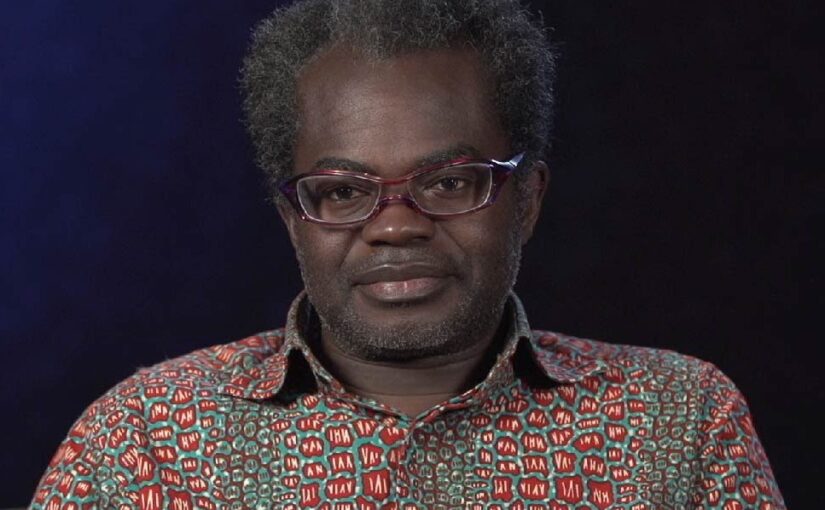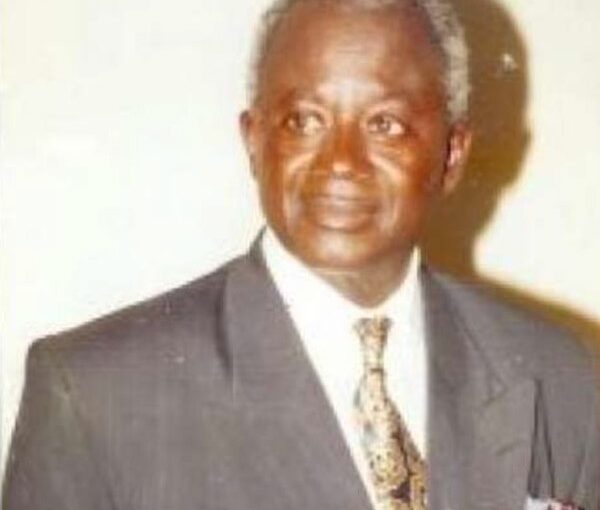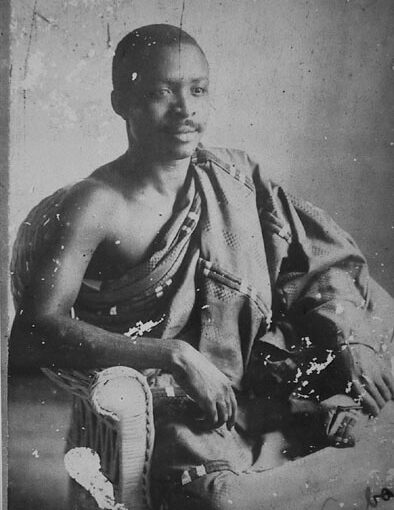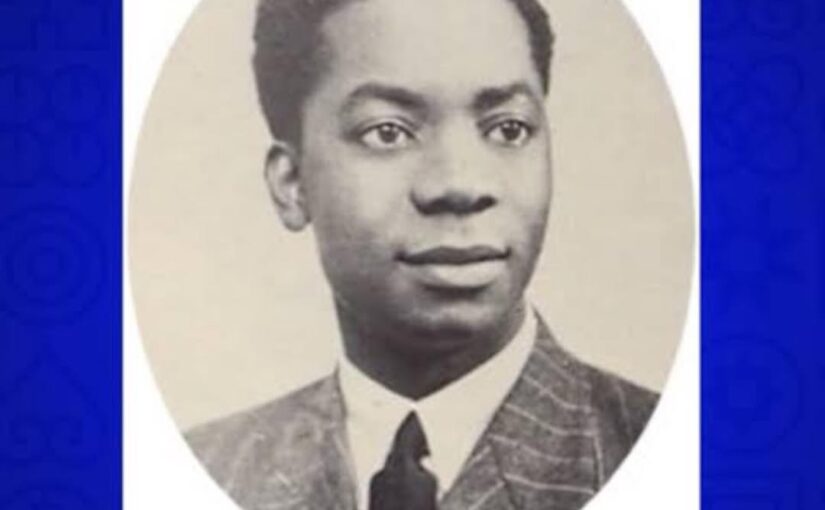
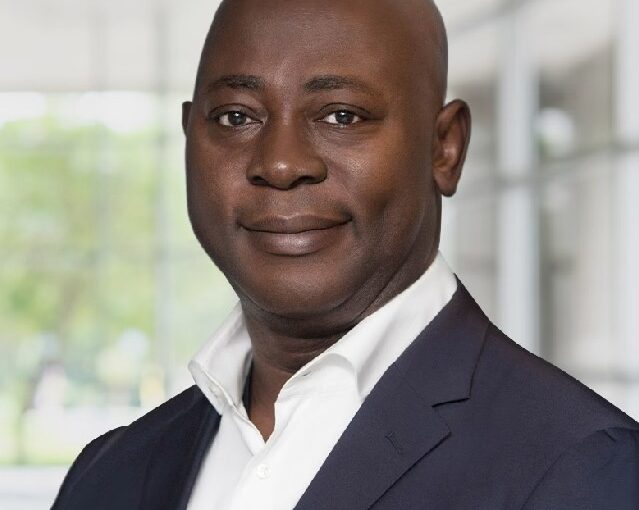
He grew up watching his entrepreneur father create one successful business after another. He witnessed firsthand the work it took to create value and learned the laws of money. Above all, his father did not allow him to develop that feeling of entitlement that kills the hunger to dream and achieve.
Another contribution to his growth as a future entrepreneur was his athleticism. It has been proven that athletes develop qualities like resilience and perseverance, a strong work ethic, focus, teamwork, and collaboration, among many others.
In secondary school, besides his academic work, Moses explored his athletic abilities. By age 17, he was the Ghana National Martial Arts champion. (His fight with a group of men who attacked him one evening while outside the school’s campus is still the stuff of legend). He also did track and field and was the goalkeeper for the soccer team.
A further attribute of people who create is a thirst for knowledge. However, it is not just any knowledge. In all they read, hear and observe, be it by reading “Othello” or listening to a powerful speech, they pick lessons that feed into their purpose, passions and values. Listen to Moses speak, and one picks up on this thrist for knowledge,
And so, though he would go on to study law, it was only a matter of time before that spirit of entrepreneurship would take hold and dominate. He started his first business while working as a teaching assistant at the Ghana Law School at age 23. A love for computers drew him to technology. Due to entry costs, he decided to concentrate on consumables. With a loan of $100 and a team of classmates, he founded a lamination, binding, and consumables supply business in 1990 and named it Margins Supplies Company Limited.
Why Margins? Because in life and business, isn’t it all about the margins?
By 1995, Margins had over 2000 clients and made about $1000 per client per year.
However, that success did not dim his hunger. Driven by purpose, passion, and a desire to acquire knowledge that solves Ghanaian and African problems, he looked into the future of digitalization and saw the importance of identity on the horizon. He decided to learn all he could about bringing Margins into the business of identity. Margins ID systems was born. Undaunted by the lack of financial support in Ghana, he looked abroad and found backers in Denmark, and as they say, the rest is history.
Today, Moses Baiden Jr.’s dream is a multi-million dollar conglomeration of companies called “The Margins Group” with a presence in seven countries.
It is made up of five subsidiaries in two groups: the Margins ID Group and the Margins Supply Group. He won the bid to design and manufacture the Ghana ID card called the “Ghana Card.”
He has built the first and largest full-service certified card and secure document manufacturing facility in sub-Saharan Africa. The facility, Intelligent Card Production Systems (ICPS), is one of the subs of the Margins ID group.
He loves to say that he did it all in Ghana by finding solutions to Ghanaian problems.
He has received myriad awards. He has won “CEO of the Year” several times, Entrepreneur of the Year, and Man of the Year.
He also gives back through groups like the Margins Youth Empowerment Initiative or by constructing a lecture hall for the Law School.
Of all the honors he has received, I would wager $100 that the one he most appreciates is being named “Ebusapayin” (President) of the Mfantsipim Old Boys Association (MOBA) in 2023—the youngest Ebusuapayin to date.
You see, Moses Kwesi Baiden Junior is an illustrious son of Mfantsipim, a Botwe boy.